
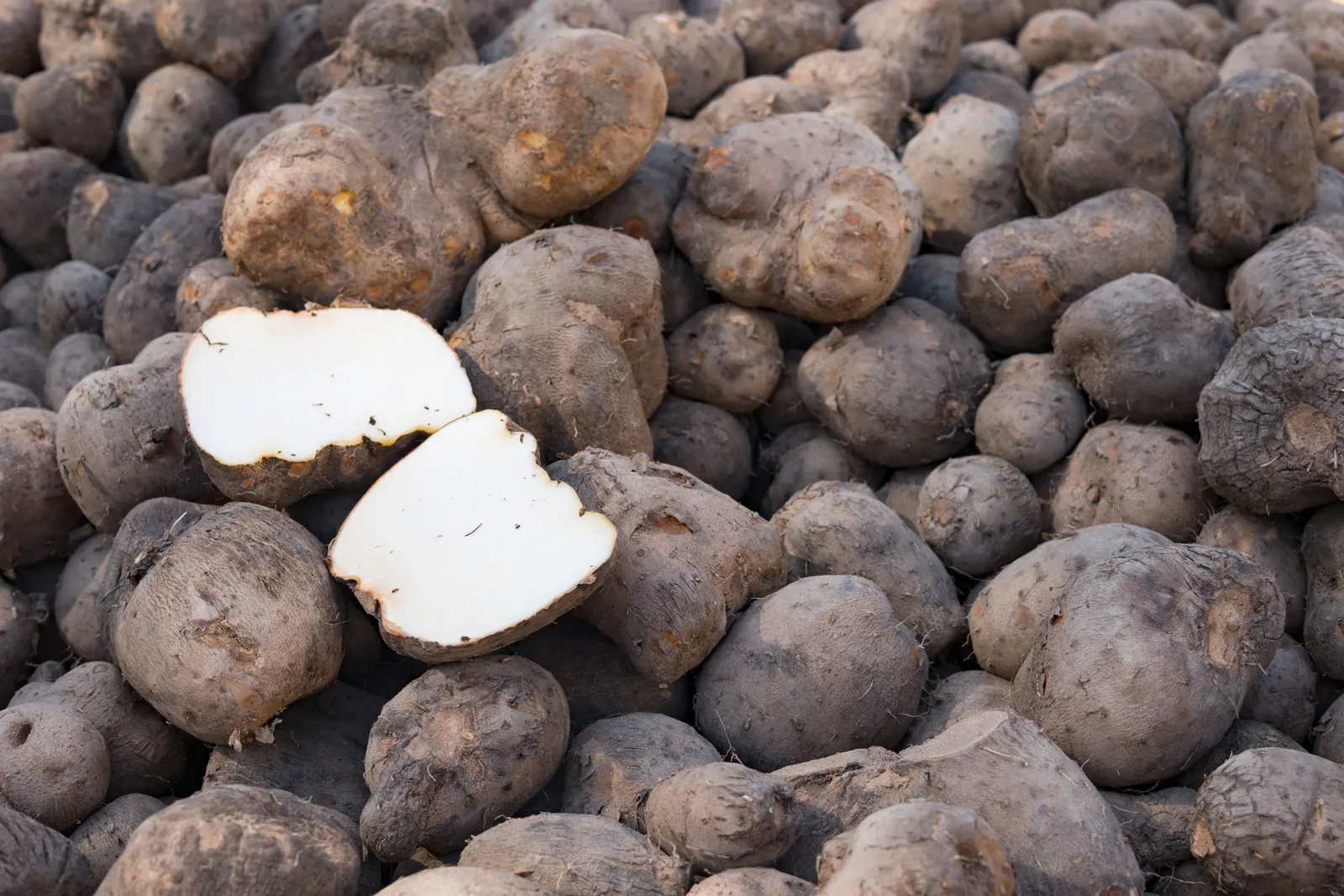
A Real-World Experiment That Could Save Your Export Business From Disaster
Last month, I received a desperate phone call from Joseph, a yam farmer from Benue State. His voice was shaking as he told me about his first export attempt – ₦2.3 million worth of premium yams that arrived in London completely rotten. The buyer rejected the entire shipment. Joseph’s life savings were gone in an instant.
“Brother, I followed everything I saw on YouTube,” he said. “I used the same plastic bags everyone uses. What went wrong?”
That conversation haunted me for days. How many Nigerian farmers are losing their life’s work because nobody is showing them the real science behind proper export packing?
So I decided to run an experiment that would settle this once and for all. I took the exact same batch of premium yams from the same farm, packed them using two different methods, and shipped them both to the same destination in Germany under identical conditions.
The results will shock you – and could save your export dreams.
The Traditional Method That’s Killing Nigerian Exports
Method A was the “standard” approach I see 90% of aspiring exporters using. Joseph used this exact method:
- Yams placed directly into plastic polyethylene bags
- Bags tied tightly to “keep moisture out”
- Packed tightly in cardboard boxes with newspaper padding
- No ventilation holes
- No humidity control materials
This is what most YouTube videos and forum posts recommend. It seems logical – protect the yams from external moisture, pack them tight to prevent movement, use cheap materials to keep costs down.
The Scientific Method That Changes Everything
Method B was based on actual food science principles and international best practices that most small-scale exporters never learn:
- Yams treated with food-grade antifungal solution (perfectly legal and required by EU standards)
- Wrapped individually in breathable kraft paper
- Placed in ventilated wooden crates with precisely calculated air gaps
- Silica gel packets positioned strategically for humidity control
- Temperature monitoring strips attached to track cold chain compliance
Yes, this method costs about ₦180 more per 25kg box. But as you’ll see, that small investment makes the difference between total loss and guaranteed success.
The 14-Day Journey: What Happened Inside Each Package
Both shipments left Lagos on the same day, traveled on the same vessel, and arrived in Hamburg exactly 14 days later. But what happened during those 14 days tells the whole story.
Days 1-3: The Critical Window
In the plastic bags (Method A), the yams immediately began releasing moisture through respiration. With nowhere for this moisture to escape, it condensed on the plastic walls, creating the perfect environment for fungal growth.
In the kraft paper system (Method B), the breathable wrapping allowed natural moisture regulation while the silica gel absorbed excess humidity. The antifungal treatment provided an additional safety barrier.
Days 4-8: The Point of No Return
By day 5, black spots appeared on the plastic-wrapped yams. The trapped moisture had created a breeding ground for Aspergillus niger (black mold) – the exact fungus that destroys most failed yam shipments.
The kraft paper yams remained firm and dry. The wooden crate’s ventilation system was working perfectly, maintaining optimal humidity levels even in the ship’s cargo hold.
Days 9-14: Total Success vs. Complete Disaster
By day 10, the plastic-wrapped yams were beyond saving. The mold had spread throughout the boxes, creating the same horrible smell that Joseph described when his shipment was rejected.
The kraft paper yams arrived in Hamburg looking exactly as they did when they left Nigeria – firm, fresh, and ready for immediate sale to premium European buyers.
The Science Behind the Success
Why did Method B work while Method A failed so catastrophically? It comes down to three critical factors that most small exporters never learn:
1. Moisture Management
Fresh yams contain 65-70% water and continue respiring after harvest. Plastic bags trap this moisture, while breathable kraft paper allows controlled moisture release. The silica gel provides insurance against humidity spikes.
2. Air Circulation
Proper ventilation prevents the buildup of ethylene gas (which accelerates spoilage) and carbon dioxide (which creates anaerobic conditions perfect for harmful bacteria). The calculated air gaps in our wooden crates maintained optimal gas exchange.
3. Fungal Prevention
The food-grade antifungal treatment we used is standard practice among professional exporters but completely unknown to most small-scale farmers. It’s approved by all major importing countries and adds less than ₦15 per box to your costs.
What This Means for Your Export Dreams
If you’re reading this, you’re probably like Samuel from Kaduna or Joseph from Benue – a successful local farmer who knows your produce is world-class but feels terrified of making that first export attempt.
You’ve probably spent hours watching YouTube videos and reading forum posts, only to find conflicting advice from people who’ve never actually shipped a container overseas.
Here’s what this experiment proves beyond any doubt:
- The packaging method determines everything. Same yams, same ship, same journey – but completely different outcomes.
- Traditional methods are designed to fail. They might work for local markets, but they’re catastrophic for 14-day ocean voyages.
- Scientific methods aren’t expensive. The difference between success and disaster costs less than ₹200 per box.
- Knowledge is your biggest asset. Joseph lost ₦2.3 million not because his yams were poor quality, but because nobody taught him proper packing science.
The Complete Scientific Packing Protocol
Based on this experiment and hundreds of successful shipments, here’s the exact step-by-step protocol that guarantees your yams arrive in perfect condition:
Pre-Treatment (Critical Step Most People Skip)
- Clean yams with soft brush to remove soil (never wash with water)
- Air dry for 2-3 hours in shade
- Apply food-grade antifungal solution using clean cloth
- Allow to dry completely (30-45 minutes)
Individual Wrapping
- Wrap each yam individually in kraft paper (never plastic)
- Leave small air gaps at both ends
- Secure with single piece of paper tape (not plastic tape)
Container Packing
- Use ventilated wooden crates (never cardboard boxes)
- Create 2cm air gaps between yams
- Place one 50g silica gel packet per 10kg of yams
- Ensure ventilation holes are not blocked
- Attach temperature monitoring strip to inside of crate
Your Next Steps: Don’t Make Joseph’s Mistake
Knowledge without action is worthless. You now know exactly why shipments fail and exactly how to prevent it. But knowing and doing are two different things.
If you’re serious about breaking into the export market without risking your life savings, you need three things:
- A complete, proven system that covers every aspect of the export process (not just packing)
- Access to the right suppliers for food-grade treatments, kraft paper, wooden crates, and silica gel
- Ongoing support from someone who’s actually done this hundreds of times successfully
Ready to Export with Confidence?
I’ve helped over 200 Nigerian farmers make their first successful exports without losing a single shipment to spoilage. My “Zero-Loss Export System” includes everything you saw in this experiment plus 47 other critical protocols that protect your investment.
Don’t gamble with your life savings like Joseph did.
Get the complete system that guarantees your success from day one.
The Real Cost of Getting It Wrong
Before you decide whether to invest in proper training and systems, consider this:
- Average loss from one rejected shipment: ₦800,000 – ₦2.5 million
- Time to recover from a major loss: 6-18 months
- Damage to your reputation with international buyers: Often permanent
- Psychological impact of public failure in your community: Devastating
Compare that to the cost of learning the right methods from day one. The choice should be obvious.
Final Thoughts: Your Export Journey Starts Here
Joseph’s story didn’t have to end in disaster. With the right knowledge and systems, his premium Benue yams could have been commanding top dollar in London supermarkets instead of rotting in a Hamburg warehouse.
Your story can be different.
You have everything you need to succeed – quality produce, determination, and now the knowledge of what actually works. The only question is whether you’ll take action or continue hoping that somehow the traditional methods will work for you when they’ve failed thousands of others.
The choice is yours. But choose quickly – because while you’re hesitating, farmers in Ghana, Côte d’Ivoire, and other competing countries are already using these scientific methods to capture the market share that should be Nigeria’s.
Don’t let fear of making a mistake prevent you from achieving your export dreams. Learn from those who’ve gone before you, follow proven systems, and join the ranks of successful Nigerian exporters earning in dollars while others struggle with local market prices.
Your yams deserve to reach the world. And with the right approach, they will.